

Can rabbits eat spinach? This is a common query among rabbit owners who are dedicated to providing a well-rounded diet for their furry friends. Given the sensitivity of their digestive systems, understanding how certain foods, including spinach, can impact their health is essential. While many rabbit enthusiasts wish to treat their pets with fresh greens, knowing the right balance is crucial for maintaining digestive stability.
Rabbits thrive on a fiber-rich diet, which is critical for their gut health. The right balance of nutrients ensures that beneficial gut bacteria flourish, promoting overall well-being. This highlights the importance of portion control, as introducing too many new or high-sugar foods can upset this balance and lead to digestive issues. In this article, we’ll explore the ins and outs of feeding spinach to rabbits, discussing its safety, benefits, risks, and how it fits into a balanced diet.
| Aspect | Details |
|---|---|
| Safe? | ✅ Yes, in moderation |
| Ideal Serving | 1-2 small pieces per week |
| Avoid When | Digestive sensitivity, obesity, diabetes |
| Alternatives | Leafy greens, herbs, low-sugar fruits |
Can Rabbits Eat Spinach Safely?
Many rabbit owners are relieved to learn that spinach can be included in their pets’ diets when done with care. Spinach contains a mix of nutrients, but it also has higher oxalic acid levels compared to other leafy greens. Oxalic acid can bind with calcium, potentially leading to kidney issues if consumed excessively by rabbits. Therefore, moderation is key.
In terms of sugar content, spinach has lower levels than some vegetables, making it a safer option for occasional feeding. However, it still provides some starch, which, if overfed, can disrupt a rabbit’s gut bacteria balance. Rather than presenting spinach as a primary food, it should be treated as a special treat served alongside their primary hay-based diet.
Thus, spinach can be safe for rabbits when served carefully and in moderation.
Nutritional Benefits of Spinach for Rabbits
Spinach is a fresh, juicy green that not only adds color to your rabbit’s diet but also delivers an array of nutrients essential for their health. Here are some key nutritional benefits spinach offers:
- Fiber: High in fiber, spinach supports digestion and promotes normal gut movement. This is vital for preventing gastrointestinal stasis, a serious condition in rabbits that can arise from inadequate fiber intake.
- Vitamins & Minerals: Spinach is rich in vitamins A, C, and K, along with minerals like potassium and magnesium. These nutrients support immune function, help maintain healthy vision, and contribute to overall vitality.
- Hydration & Antioxidants: With a high water content, spinach contributes to hydration, while antioxidants help combat oxidative stress, keeping your rabbit’s cells healthy and functioning optimally.
To ensure your rabbit reaps these benefits, be sure to offer hay and other leafy greens as the foundation of their diet, using spinach as an occasional treat rather than a staple.
Why Do Rabbits Like Foods Like Spinach?
Rabbits are natural foragers, instinctively seeking a variety of greens in the wild. Their strong taste preference for fresh, leafy vegetables makes spinach an appealing option. The crisp texture and vibrant color can entice them to nibble, providing sensory stimulation.
However, it’s vital to remember that just because rabbits enjoy spinach does not mean they should have it in unlimited quantities. Overindulgence can lead to digestive problems, so monitoring their intake carefully is important. Providing a mix of leafy greens not only satisfies their cravings but also supports their nutritional needs, ensuring a balanced diet.
To enhance your rabbit’s foraging experience, consider rotating different greens in their diet while observing their preferences.
Risks & Precautions
While spinach can be a delightful addition to a rabbit’s diet, it’s essential to be aware of potential risks associated with feeding it. Understanding these risks helps ensure your rabbit remains healthy.
- High Sugar or Starch: Spinach contains more starch compared to other leafy greens. Long-term feeding can lead to weight gain and gut imbalances, resulting in digestive upset. Always balance spinach with hay and other fibrous foods.
- Digestive Sensitivity: Introducing spinach suddenly can upset a rabbit’s delicate digestive system, leading to soft stools. Gradual introduction is advisable, and monitoring their health closely during dietary changes is essential.
- Dental Concerns: Spinach should never replace hay, which is crucial for dental health. Chewing hay helps wear down teeth naturally, preventing dental issues that can arise from a diet too rich in soft greens.
- Portion Control: Even safe foods can pose risks if fed too often. Regularly offering spinach can disturb the balance of gut flora and lead to digestive problems. Limit spinach to a few times a week.
If your rabbit shows loose stool or loss of appetite after eating spinach, cease feeding it immediately.
What Happens If a Rabbit Eats Too Much Spinach?
When a rabbit consumes excessive spinach, the immediate risk is digestive upset. The high levels of water and oxalates can lead to soft stools, indicating that their gut flora is unbalanced. Consequently, you might notice a decrease in appetite as the rabbit’s digestive system struggles to cope with the sudden influx of new food.
Behaviorally, a rabbit may become lethargic or less active as they experience discomfort from bloating or other gastrointestinal distress. Monitoring your rabbit is crucial; if they exhibit significant changes in stool consistency, appetite, or activity level, it may be necessary to consult a veterinarian.
To prevent these issues, always introduce new foods gradually to allow your rabbit’s digestive system time to adjust.
Can Baby Rabbits Eat Spinach?
Baby rabbits, or kits, under 12 weeks possess delicate digestive systems that are still developing. For this reason, it is advisable to avoid introducing spinach until they are older. Most veterinarians recommend that young rabbits primarily consume hay and pellets designed specifically for their age group.
As these babies grow, they may gradually begin to eat small amounts of leafy greens. However, spinach should be introduced cautiously and only after they are accustomed to other safe greens. Adult rabbits typically have a higher tolerance; thus, it’s vital to differentiate between the two.
Most veterinarians agree that treats should never replace hay and leafy greens in a rabbit’s daily diet.
How Much Spinach Can Rabbits Eat?
Recommended Portion Size
For small rabbits, a safe portion of spinach is about 1 teaspoon, while larger rabbits can have around 1 tablespoon per feeding. These small portions help ensure that the digestive system can handle the greens without becoming overwhelmed.
Rabbit digestion relies on a steady supply of fiber to keep gut bacteria stable. Therefore, introducing spinach in small amounts can help protect this balance, allowing for gradual adaptation. If portions are too large, it could lead to digestive distress, such as gas or soft stools.
By keeping servings small and monitoring your rabbit closely, you can avoid potential health complications while still providing variety in their diet.
How Spinach Fits Into a Balanced Rabbit Diet
A healthy diet for rabbits is primarily built on hay, which should constitute 80-90% of their daily intake. This fiber-rich staple is vital for proper digestion and helps maintain gut health. Leafy greens like spinach can fit into this framework but should be treated as an occasional treat rather than a primary food source.
Compared to other leafy greens, spinach has a unique nutrient profile, but it also has higher oxalic acid levels. This means it should be balanced with a variety of other greens, such as romaine lettuce or kale, which are lower in oxalates. A practical example is mixing spinach with safe leafy greens, ensuring it comprises no more than 10-20% of your rabbit’s diet.
By prioritizing hay and a variety of safe greens, you help maintain your rabbit’s digestive health while providing them with the nutrients they need.
Frequency & Feeding Schedule
Ideally, spinach should be offered only once or twice a week, ensuring it doesn’t overwhelm your rabbit’s digestive system. Feeding it too often can lead to an imbalance in gut flora, making it hard for rabbits to digest their primary foods properly.
When spinach is fed too frequently, you might observe signs of digestive distress, such as changes in stool consistency or reduced appetite. To protect your rabbit’s gut health, space out offerings of spinach and other treats, allowing their digestive system to stabilize between servings.
A little taste goes a long way with sweet foods like spinach, keeping their diet balanced while permitting occasional treats.
How to Serve Spinach to Rabbits
Fresh vs Cooked
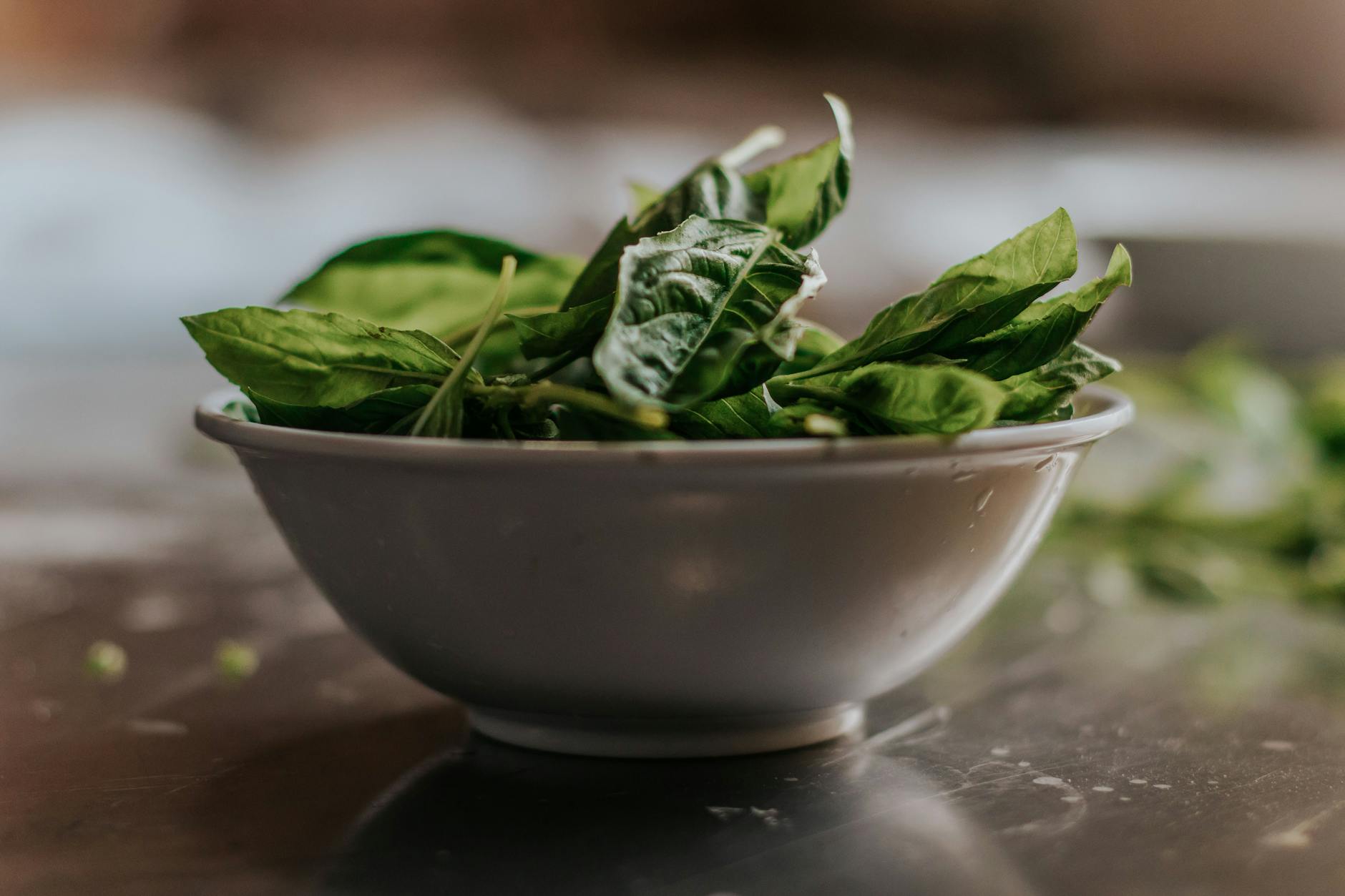
The safest form to serve spinach to your rabbit is fresh. Cooking can destroy some of the valuable nutrients that rabbits benefit from. Before offering it to your pet, wash it thoroughly to remove any dirt or potential pesticide residues that may be on the leaves.
Cutting spinach into small, rabbit-safe pieces makes it easier for them to chew. It’s vital to remember: can rabbits eat spinach safely? Yes, but preparation matters to ensure their health.
Step-by-Step Serving Guide
- Wash thoroughly to remove dirt or chemicals that may be harmful to your rabbit.
- Cut into small, rabbit-safe pieces to prevent choking.
- Introduce slowly and observe stool changes to ensure your rabbit tolerates the new addition.
By following these steps, you create a safe and enjoyable experience for your rabbit when introducing spinach into their diet.
Signs Your Rabbit Likes or Dislikes Spinach
When you introduce spinach to your rabbit, observing their reactions can provide valuable insights. A positive response may include your rabbit approaching the spinach with curiosity, sniffing it before taking a nibble. Normal droppings afterward indicate that the food isn’t upsetting their digestive system, suggesting they have accepted it well.
Conversely, negative reactions such as refusal to eat or signs of discomfort like a bloated posture could indicate digestive stress. Rabbits often hide their discomfort, so monitoring subtle behavior changes is crucial. If they exhibit lethargy or produce soft stools, this may signal that spinach is not agreeing with them.
To ensure a safe introduction, monitor your rabbit over a 24-hour period after offering spinach. Look for changes in their droppings, appetite, and activity levels. To minimize potential digestive issues, it’s best to introduce only one new food at a time.
When to Talk to a Vet About Diet Changes
If your rabbit has pre-existing medical conditions such as obesity, diabetes, or a history of gut stasis, it’s crucial to consult your veterinarian before making significant diet changes. These conditions can make them more sensitive to new foods, and sudden changes can exacerbate their health issues.
Suddenly introducing spinach or other new foods can disrupt the delicate balance of gut bacteria in rabbits. Because they rely heavily on a consistent high-fiber diet, abrupt dietary changes can lead to serious digestive slowdowns, impacting their overall health.
Remember that seeking advice from a vet regarding diet changes is a preventative measure, not an overreaction. This ensures your rabbit stays healthy and that any adjustments to their diet are made safely.
Healthy Alternatives to Spinach
If you’re looking for alternatives to spinach, consider these rabbit-friendly options that offer different benefits:
- Romaine Lettuce: With high water content, it provides hydration and is gentle on the digestive system.
- Kale: Packed with vitamins A, C, and calcium, it’s a nutritious option but should be fed in moderation due to oxalates.
- Parsley: A good source of vitamins and minerals, it promotes a healthy immune system.
- Green Bell Pepper: Offers a crunchy texture and is a low-sugar treat filled with vitamin C.
Introducing a variety of safe greens ensures a balanced diet for your rabbit. While rabbits can eat spinach along with other treats in moderation, maintaining dietary variety is crucial for their health and well-being.
Common Mistakes to Avoid
- Overfeeding Spinach: Many owners may think more is better, but excessive spinach can lead to digestive issues. Stick to the recommended portion sizes to avoid complications.
- Ignoring Signs of Discomfort: If rabbits show signs of bloating or refusal to eat, it’s crucial to take these indicators seriously. Early intervention can prevent severe health issues.
- Relying Too Much on Treats: Treats should only supplement a rabbit’s diet, not replace hay. A hay-based diet is essential for proper digestion and dental health.
Always remember the importance of moderation-keeping portions in check ensures a healthy and balanced diet for your rabbit.
FAQs
Can rabbits eat spinach daily?
While rabbits can eat spinach, it’s not advisable to offer it daily. Spinach should be given as an occasional treat due to its oxalic acid content, which can cause health issues if consumed in excess. Aim for 1-2 servings per week.
Can baby rabbits eat spinach?
Baby rabbits under 12 weeks should avoid spinach due to their sensitive digestive systems. They should primarily eat hay and specially formulated pellets until they are older and can handle a wider variety of greens safely.
How should spinach be prepared for rabbits?
Spinach should be washed thoroughly to remove any potential pesticides or dirt. Cut it into small, rabbit-safe pieces to prevent choking and make it easier for your rabbit to nibble on. Fresh is best for maximum nutrient benefits.
What are the digestive impacts of spinach on rabbits?
Feeding spinach in moderation can benefit rabbits, but excessive amounts can lead to digestive upset, such as gas, soft stools, or bloating. Monitoring their reaction after introducing new foods is essential for their health.
What can I substitute for spinach in my rabbit’s diet?
Alternatives to spinach include leafy greens like romaine lettuce or kale, as well as crunchy vegetables like bell peppers. These options provide similar hydration and fiber without the potential downsides of spinach.
Conclusion
Ultimately, the question of “Can rabbits eat spinach” has a positive answer, as spinach can be a safe addition to their diet when offered thoughtfully. It’s essential to maintain a careful balance, especially considering the digestive sensitivity of rabbits and the role of gut bacteria in their overall health.
Remember, portion size and feeding frequency matter greatly. Overfeeding spinach can disturb digestive balance, leading to health concerns over time. Monitor your rabbit’s reactions closely after introducing new foods and watch for any signs of distress.
With a calm and careful approach, you can successfully introduce spinach into your rabbit’s diet. Always prioritize a balanced diet rich in hay and a variety of leafy greens, helping your rabbit thrive and enjoy their meals.
✅ Quick Answer: Rabbits can eat spinach in moderation as an occasional treat alongside hay and leafy greens.