


It’s common to ask whether rabbits can safely eat banana, especially when trying to offer your furry friend a diverse diet. Can rabbits eat banana without upsetting their sensitive digestion? Since rabbits rely heavily on a diet primarily composed of fiber from hay and leafy greens, introducing new foods like bananas requires careful consideration. Rabbits have delicate digestive systems that can be easily disrupted, so it’s essential to understand the impact of banana on their health.
Balancing a rabbit’s diet is crucial because their gut bacteria thrive on a stable intake of fibrous foods. Proper portion control helps maintain this stability, preventing digestive upset like gas or diarrhea. When offering fruits like banana, it’s vital to ensure the diet remains predominantly fiber-based to avoid any adverse effects on their digestive health.
This article will explore the nuances of feeding banana to rabbits, addressing common concerns and providing practical tips for rabbit owners. We’ll delve into the nutritional benefits, risks, recommended portion sizes, and more to ensure your rabbit stays healthy and happy.
| Aspect | Details |
|---|---|
| Safe? | ✅ Yes, in moderation |
| Ideal Serving | 1-2 small pieces per week |
| Avoid When | Digestive sensitivity, obesity, diabetes |
| Alternatives | Leafy greens, herbs, low-sugar fruits |
Can Rabbits Eat Banana Safely?
Bananas can be a safe treat for rabbits if fed in moderation. They contain natural sugars, which, while not toxic, can disrupt rabbit digestion if consumed in large amounts. The high sugar content can lead to obesity and gut bacteria imbalances in rabbits, which are sensitive to dietary changes.
Rabbits primarily need fibrous foods to keep their digestive systems functioning correctly. While bananas do contain some fiber, they are not a substitute for hay, which should be the cornerstone of any rabbit’s diet. Moreover, the banana peel is not recommended as it may contain pesticides and is tougher to digest.
So yes, banana can be safe for rabbits when served carefully and in moderation. The key is to monitor your rabbit’s reaction and adjust the serving size accordingly.
Nutritional Benefits of Banana for Rabbits
Bananas are fresh, sweet, and juicy, making them an appealing treat for rabbits. These fruits offer a mix of nutrients that can be beneficial in controlled quantities.
- Fiber: While not as rich in fiber as hay, bananas provide some dietary fiber that aids in maintaining healthy gut movement and supports digestion.
- Vitamins & Minerals: Bananas contain vitamin C and B6, which can enhance immunity and overall health, although rabbits primarily fulfill these needs from hay and leafy greens.
- Hydration or Antioxidants: The moisture content in bananas can help keep rabbits hydrated, while antioxidants support their overall health and well-being.
For optimal health, always complement any fruit offerings with plenty of fresh hay and leafy greens to ensure balanced nutrition.
Why Do Rabbits Like Foods Like Banana?
Rabbits have a natural foraging instinct, leading them to seek out a variety of foods, including sweet flavors like those found in bananas. This preference is driven more by taste than nutritional need, as the sweetness mimics the natural sugars found in some wild plants.
However, just because a rabbit enjoys the taste of banana doesn’t mean they should eat it frequently. Overfeeding sweet fruits can lead to health issues, so moderation is key.
To satisfy your rabbit’s natural curiosity and prevent boredom, consider using small banana pieces as occasional rewards during training or playtime.
Risks & Precautions
Feeding banana to rabbits involves some potential downsides that owners should be aware of.
- High Sugar or Starch: Excessive sugar and starch from banana consumption can contribute to weight gain and disrupt the balance of gut bacteria, leading to digestive issues.
- Digestive Sensitivity: Introducing banana too quickly can cause soft stools or diarrhea due to the sudden change in diet.
- Dental Concerns: Soft fruit should not replace fibrous foods. Without enough hay, rabbits’ teeth may not wear down properly, leading to dental issues.
- Portion Control: Even safe foods can cause problems if overfed. Moderation is crucial to keep your rabbit healthy and happy.
If your rabbit shows loose stool or loss of appetite after eating banana, stop immediately.
What Happens If a Rabbit Eats Too Much Banana?
Feeding a rabbit too much banana can lead to digestive upset. The excess sugar can alter gut bacteria balance, causing symptoms like soft stools or diarrhea. Overeating may also result in decreased appetite and lethargy, indicating digestive discomfort.
If your rabbit shows signs of distress like bloating or changes in behavior, a vet visit is advisable. To prevent overconsumption, regulate banana portions and observe your rabbit’s response to new foods closely.
Can Baby Rabbits Eat Banana?
Baby rabbits, under 12 weeks old, have more delicate digestive systems compared to adults. Introducing banana too early may lead to digestive distress. Most veterinarians agree that treats, including banana, should never replace hay and leafy greens in a rabbit’s daily diet.
Adult rabbits can handle small amounts of banana, but for young rabbits, it’s best to wait until they’re older and their digestive systems are more robust. Introduce new foods slowly and monitor their reaction.
How Much Banana Can Rabbits Eat?
Recommended Portion Size
For small rabbits, a teaspoon or a thin slice of banana once or twice a week is sufficient. Larger rabbits may enjoy a small cube or two. Rabbit digestion relies on gut bacteria that thrive on fibrous diets, and small portions help maintain this delicate balance.
Excessive banana can overwhelm their system, leading to health issues. Monitor their litter box habits to ensure their digestion remains stable.
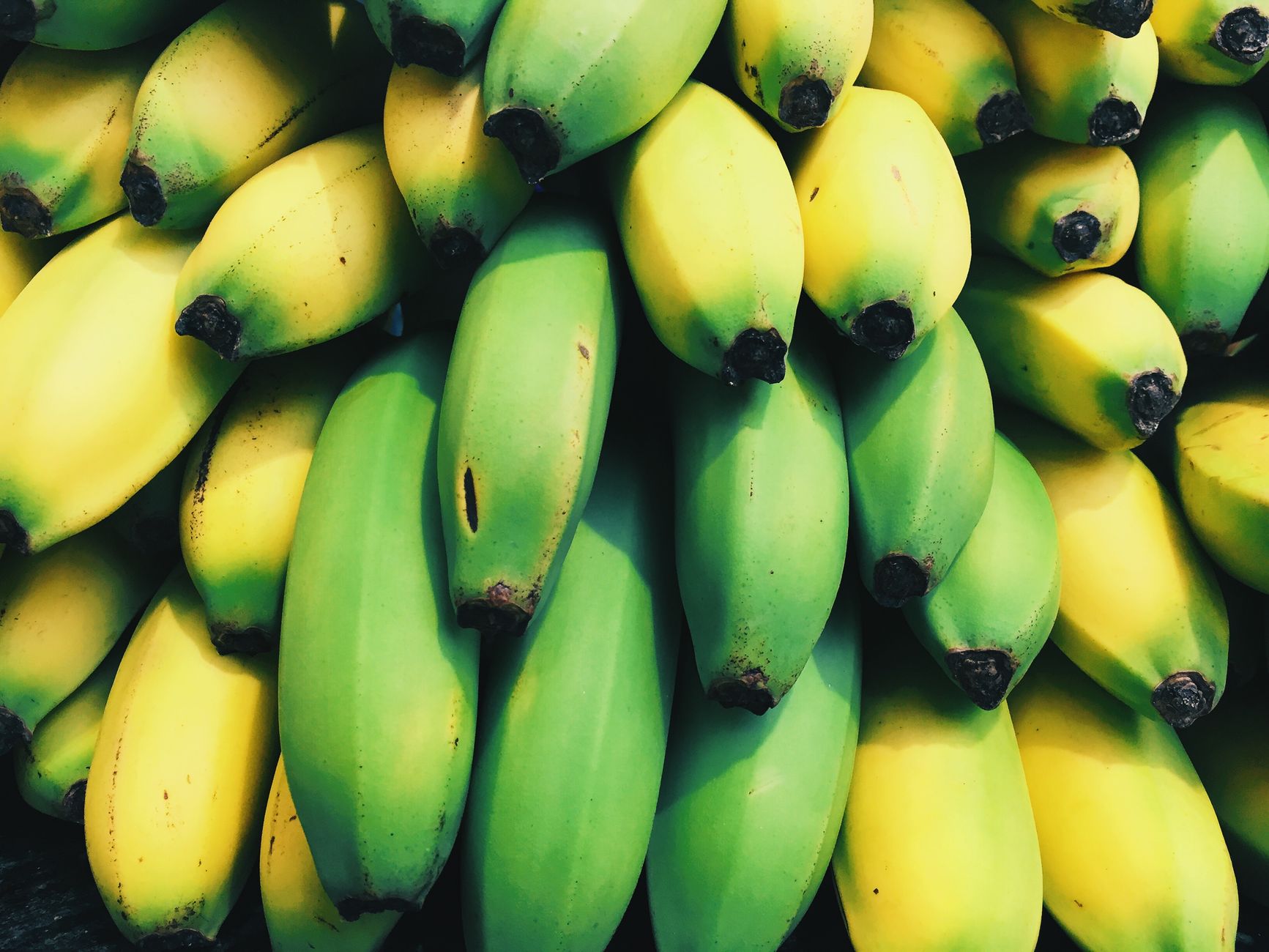
How Banana Fits Into a Balanced Rabbit Diet?
A healthy rabbit diet consists of 80-90% hay, which forms the foundation of their digestion. Treats like banana should only be a small supplement, never replacing essential foods like hay or leafy greens.
Compared to the variety and nutrition provided by leafy greens, fruits like banana should be offered sparingly. An example of a balanced rabbit feeding bowl includes unlimited hay, a handful of mixed greens, and a small piece of banana.
Frequency & Feeding Schedule
Banana should be offered to rabbits no more than once or twice a week. Frequent feeding of sweet fruits can lead to digestive issues like soft stools and gas. Spacing out banana servings helps protect the gut and maintain overall health.
A little taste goes a long way with sweet foods like banana.
How to Serve Banana to Rabbits
Fresh vs Cooked
Can rabbits eat banana safely? Yes, when it’s fresh. Always wash and peel the banana to remove any dirt or chemicals. Slice it into small pieces suitable for your rabbit’s size to make it easier for them to eat.
Step-by-Step Serving Guide
- Wash thoroughly to remove dirt or chemicals, ensuring the banana is clean and safe for your rabbit.
- Cut into small, rabbit-safe pieces to prevent choking and ensure easier digestion.
- Introduce slowly and observe stool changes to catch any digestive issues early.
Always introduce one new food at a time, so you can easily identify if it causes any issues.
Signs Your Rabbit Likes or Dislikes Banana
Positive reactions include curiosity, sniffing, nibbling, and normal droppings. These signs indicate that the banana doesn’t disturb their gut bacteria, as evidenced by healthy droppings and a consistent appetite.
Negative reactions, such as refusal, soft stools, or bloating, may signal digestive stress. Rabbits often hide signs of illness, so subtle changes in behavior should be noted and addressed promptly.
Monitor your rabbit over 24 hours for changes in droppings, appetite, and activity level. Introducing just one new food at a time helps you assess whether banana is well-tolerated.
When to Talk to a Vet About Diet Changes
Consult a vet if your rabbit has medical conditions like obesity, diabetes, a history of gut stasis, or dental issues. These conditions can complicate dietary changes, making professional advice essential.
Sudden diet changes can disrupt a rabbit’s gut bacteria, leading to digestive slowdown and potential health issues. Consistent fiber intake is critical for keeping their digestive system moving efficiently.
It’s always wise to ask a vet before making significant dietary changes. This proactive approach ensures your rabbit’s health remains stable, offering you peace of mind.
Healthy Alternatives to Banana
- Leafy Greens: Rich in vitamins and high in fiber, they promote healthy digestion.
- Herbs: Offer aromatic varieties like basil or parsley for a flavorful treat.
- Bell Peppers: Low in sugar, they provide vitamins without disrupting gut bacteria.
- Cucumber: High in hydration, it helps keep rabbits cool and refreshed.
- Carrots: Crunchy and sweet, but serve sparingly due to sugar content.
Variety and balance are crucial in a rabbit diet. By mixing different treats, you ensure rabbits can eat banana along with other treats in moderation.
Common Mistakes to Avoid
- Overfeeding Banana: Owners might offer too much banana, thinking it’s a healthy fruit. This can lead to digestive upset and obesity due to the high sugar content.
- Ignoring Portion Control: Even healthy treats can harm if not portioned. Skipping this step may cause a rabbit’s gut bacteria to become imbalanced.
- Using Banana as a Diet Staple: Banana should not replace essential foods like hay. Misunderstanding this can lead to a lack of necessary nutrients and dental problems.
- Introducing Too Quickly: Abruptly adding banana to a rabbit’s diet without gradual introduction can cause digestive distress.
FAQs
Can rabbits eat banana every day?
No, rabbits should not eat banana daily. High sugar content can disrupt digestion and lead to obesity. Offer banana as an occasional treat, once or twice a week, to maintain a healthy balance within their diet.
Are bananas safe for baby rabbits?
Bananas are not recommended for baby rabbits under 12 weeks old due to their delicate digestive systems. Introducing new foods too soon can cause digestive upset. Wait until your rabbit is older and gradually introduce banana.
How should I prepare banana for my rabbit?
Always wash and peel the banana to remove any dirt or chemicals. Cut it into small, rabbit-safe pieces before serving. This preparation ensures easy digestion and minimizes choking risks.
What should I do if my rabbit has digestive issues after eating banana?
If your rabbit shows signs like soft stools or reduced appetite, stop feeding banana immediately. Monitor their health, and consult a vet if symptoms persist, as this may indicate a disruption in digestive stability.
What other treats can I offer besides banana?
Rabbits can enjoy a variety of safe treats like leafy greens, herbs, and vegetables like bell peppers and carrots. These alternatives provide essential nutrients without the high sugar content found in bananas.
How can I tell if my rabbit likes banana?
Positive signs include excited behavior, active nibbling, and normal droppings. These behaviors suggest the banana isn’t upsetting their digestion. Negative reactions, such as refusal or digestive distress, mean it’s best to avoid banana.
Conclusion
Rabbits can eat banana safely in moderation, but balance is key. Bananas, with their high sugar content, should be an occasional treat to avoid disturbing the gut bacteria balance essential for healthy digestion. Ensure hay and leafy greens remain the dietary foundation.
Portion control and feeding frequency are crucial. Offering small banana pieces once or twice a week prevents digestive disturbances. Keep an eye on your rabbit for signs of distress, such as changes in droppings or appetite, to catch any issues early.
Introduce banana gradually to your rabbit’s diet, observing their reaction. With careful monitoring, you can enjoy giving this sweet treat while maintaining their health. Remember, hay should be their primary food, with fruits like bananas as a supplement.
✅ Quick Answer: Rabbits can eat banana in moderation as an occasional treat alongside hay and leafy greens.
