

At first glance, carrots might seem harmless to offer to our fluffy friends, leading many rabbit owners to ask, “Can rabbits eat carrot safely?” Considering rabbits’ unique digestive systems, this is an important question. Carrots are sweet, colorful, and undoubtedly popular, but understanding their role in a rabbit’s diet is crucial due to the animal’s dietary sensitivity. Just because rabbits can enjoy some treats doesn’t mean they should have unlimited access to them, especially those high in sugar like carrots.
Dietary balance is critical for rabbits, as they rely on a steady intake of fiber to maintain their gut health. Fiber aids in preserving the delicate balance of gut bacteria, which is essential for proper digestion. Introducing high-sugar foods like carrots without moderation can upset this balance, leading to digestive issues. It’s vital to approach carrot feeding with portion control in mind to ensure that your rabbit stays healthy and happy.
In this article, we will delve into the specifics of feeding carrots to rabbits, exploring the benefits, potential risks, and how to incorporate them safely into their diet. This guide aims to provide practical advice for rabbit owners seeking to make informed dietary choices.
| Aspect | Details |
|---|---|
| Safe? | ✅ Yes, in moderation |
| Ideal Serving | 1-2 small pieces per week |
| Avoid When | Digestive sensitivity, obesity, diabetes |
| Alternatives | Leafy greens, herbs, low-sugar fruits |
Can Rabbits Eat Carrot Safely?
Yes, rabbits can eat carrot safely, but it is crucial to do so in moderation. Carrots contain sugar, water, and a bit of fiber, which can be beneficial when fed in controlled amounts. However, an overload of sugar can disrupt a rabbit’s digestive balance, leading to potential issues like diarrhea or obesity.
It’s important to note that while carrots are not toxic, feeding them in excess can lead to an imbalance in the gut bacteria, crucial for a rabbit’s digestion. The sugar content can lead to weight gain and even liver issues in extreme cases. Therefore, it’s best to limit carrot servings to small, occasional treats.
When considering which parts of the carrot are safe, both the root and the green tops can be fed to rabbits. However, the greens are generally healthier due to lower sugar content. So yes, carrot can be safe for rabbits when served carefully and in moderation.
Nutritional Benefits of Carrot for Rabbits
Carrots are fresh, juicy, and crisp, making them a delightful treat for bunnies. They are rich in a variety of nutrients that can offer some benefits to rabbits.
- Fiber: Carrots provide dietary fiber, supporting healthy digestion and promoting gut movement, which is essential for the prevention of gastrointestinal stasis.
- Vitamins & Minerals: They contain vitamin A, supporting eye health, and other minerals that contribute to a rabbit’s immune system and overall well-being.
- Hydration: With their water content, carrots can help keep rabbits hydrated, although water should always be the main source of hydration.
While these nutrients can be beneficial, carrots should be treated as a supplement to a diet primarily composed of hay and leafy greens.
Why Do Rabbits Like Foods Like Carrot?
As natural foragers, rabbits are instinctively drawn to a variety of colorful and tasty foods, including carrots. This behavior is rooted in their need to consume different nutrients found in nature. The sweet taste of carrots is particularly appealing to them.
However, just because rabbits enjoy the taste doesn’t mean they should consume them in large quantities. Their preference is based on taste rather than nutritional need, so moderation is key in their diet to prevent health problems.
Offering carrots only as occasional treats can help satisfy their taste preferences while keeping their diet balanced. Providing mental stimulation through safe foraging experiences can enrich their feeding routines.
Risks & Precautions
Feeding carrot to rabbits requires careful consideration of potential downsides.
- High Sugar or Starch: Carrots are high in sugar, which can lead to weight gain or gut imbalance when consumed excessively over time.
- Digestive Sensitivity: Sudden introduction of carrots can cause soft stools in rabbits with sensitive digestion due to the abrupt change in fiber and sugar intake.
- Dental Concerns: Carrots should never replace hay, which is essential for dental health by wearing down teeth naturally.
- Portion Control: Even safe foods like carrots should be given in moderation to maintain a proper dietary balance and prevent health issues.
If your rabbit shows loose stool or loss of appetite after eating carrot, stop immediately.
What Happens If a Rabbit Eats Too Much Carrot?
Consuming too much carrot can upset a rabbit’s digestive system. The high sugar content may lead to soft stools and disrupt the gut bacteria balance, causing appetite loss and behavioral changes. Rabbits might also experience gas or bloating, which can lead to discomfort.
If you notice these symptoms, consult a vet, as they can develop into more serious issues like gastrointestinal stasis. To prevent these problems, introduce carrots slowly and monitor your rabbit’s reaction to help avoid overfeeding.
Can Baby Rabbits Eat Carrot?
Baby rabbits, under 12 weeks, have particularly delicate digestive systems and should not be given carrots. Their tolerance for sugars and starches is low compared to adults. Introducing carrots too early can cause digestive disturbances or diarrhea in young rabbits.
It is safer to wait until they are older before introducing carrot into their diet, and even then, it should be done cautiously and in moderation. Most veterinarians agree that treats should never replace hay and leafy greens in a rabbit’s daily diet.
How Much Carrot Can Rabbits Eat?
Recommended Portion Size
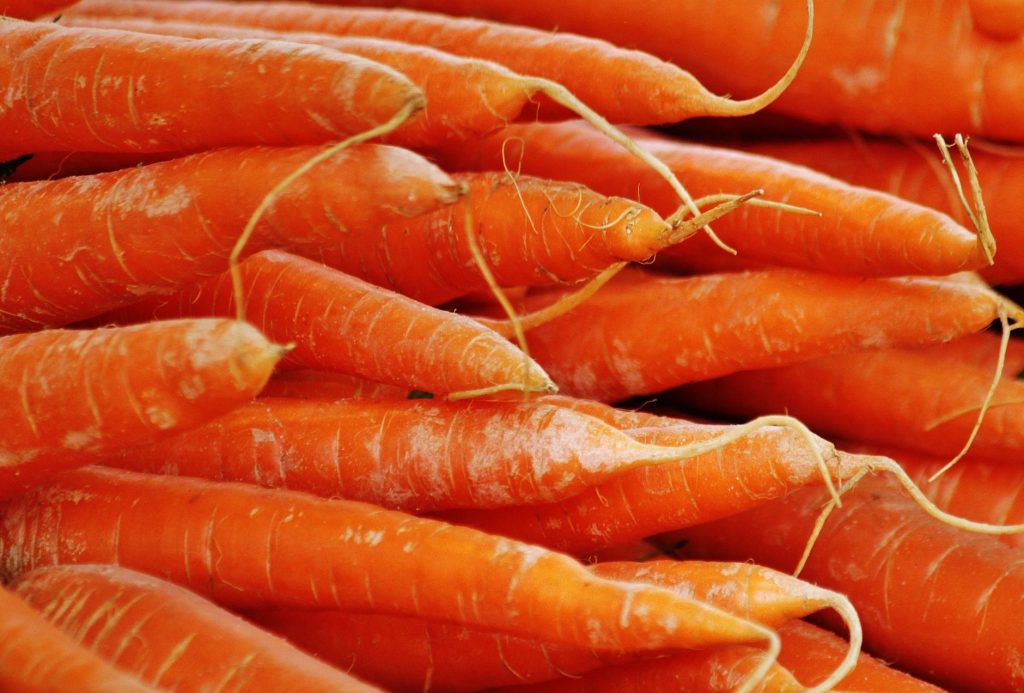
For small rabbits, a portion size of about one teaspoon of carrot pieces once or twice a week is ideal. Larger rabbits can handle up to one tablespoon. This modest quantity helps maintain a healthy gut bacterial balance and prevents digestive issues.
Rabbit digestion relies heavily on fiber, and large portions of carrots can overwhelm their system, leading to gut instability. Always ensure that the majority of their diet consists of hay, with carrots as an occasional treat.
How Carrot Fits Into a Balanced Rabbit Diet
The core of a rabbit’s diet should be hay, comprising 80-90% of their intake. Carrots and other treats can be included in the remaining 10-20% alongside leafy greens. While leafy greens offer essential nutrients and hydration, treats like carrots provide variety.
For instance, a balanced feeding bowl might consist of abundant hay, a handful of mixed greens, and a small piece of carrot as a treat. This balance supports healthy digestion by ensuring that rabbits receive the necessary fiber while enjoying occasional extras.
Frequency & Feeding Schedule
Carrots should be given sparingly, about once or twice a week, to allow rabbits to enjoy them without risking digestive issues. Overfeeding carrots can lead to a sugar overload, causing soft stools and disrupting gut flora balance.
Giving them too frequently may also reduce their interest in more fibrous foods necessary for maintaining digestive health. A little taste goes a long way with sweet foods like carrot.
How to Serve Carrot to Rabbits
Fresh vs Cooked
Carrots should be served fresh rather than cooked to maintain their nutritional integrity. Always wash them thoroughly to remove any dirt or pesticides. Peeling is optional but can help reduce potential chemical residues. Can rabbits eat carrot safely? Yes, when prepared properly.
Step-by-Step Serving Guide
- Wash thoroughly to remove dirt or chemicals, preserving the nutrition and safety of the carrot.
- Cut into small, rabbit-safe pieces to prevent choking and encourage proper portion control.
- Introduce slowly and observe stool changes to prevent digestive upset and ensure tolerance.
Always remember to introduce new foods gradually, observing your rabbit’s behavior and stool to ensure they tolerate it well.
Signs Your Rabbit Likes or Dislikes Carrot
Positive reactions to carrots include curiosity, sniffing, nibbling, and maintaining normal droppings. These behaviors suggest that your rabbit enjoys the treat without any digestive disturbances. Normal stool shape and consistent appetite indicate that the carrot isn’t upsetting gut bacteria balance.
Negative signs might include refusal to eat, soft stools, a bloated posture, or lethargy. These symptoms can suggest digestive stress, and it’s crucial to observe subtle behavioral changes since rabbits often hide illness. Such reactions might warrant ceasing the treat.
Monitor your rabbit over 24 hours, checking droppings, appetite, and activity levels for signs of distress. To minimize risk, introduce only one new food at a time, allowing you to clearly identify food-related issues.
When to Talk to a Vet About Diet Changes
Medical conditions such as obesity, diabetes, a history of gut stasis, or dental disease require vet guidance when making diet changes. These conditions make dietary adjustments riskier due to increased sensitivity in digestion and energy regulation.
Sudden dietary changes can disrupt the delicate balance of gut bacteria, potentially leading to digestive slowdown. Rabbits depend on consistent fiber intake to keep their gut functioning properly. Therefore, gradual changes are essential.
Consulting a vet before major diet modifications acts as preventive care rather than overreacting. It’s a proactive step to ensure your rabbit’s health and wellbeing, helping you make informed dietary choices that prioritize their health.
Healthy Alternatives to Carrot
- Leafy Greens: Offer essential vitamins, minerals, and hydration to support a balanced diet.
- Herbs: Mint, basil, and cilantro provide unique flavors and digestive benefits.
- Bell Peppers: Low in sugar, high in vitamin C, and add crunch to their meals.
- Radishes: Excellent for variety, offering fiber and antioxidants.
Providing a variety of vegetables ensures a nutritious diet, where rabbits can eat carrot along with other treats in moderation. A balanced diet minimizes health issues, ensuring your rabbit remains active and content.
Common Mistakes to Avoid
- Overfeeding Sugary Treats: Excessive carrot consumption can lead to obesity and digestive issues due to high sugar content. It’s easy to overestimate portion sizes, so measure treats carefully.
- Ignoring Digestive Reactions: Failing to monitor stool and behavior can lead to unnoticed digestive distress. Rabbits often hide symptoms, making subtle observations crucial.
- Replacing Hay with Treats: Hay is vital for dental health and digestion. Carrots and other treats must not replace hay, which is the foundation of a rabbit’s diet.
Moderation and careful observation ensure your rabbit enjoys treats without health risks. Remember, a balanced diet is crucial for maintaining a healthy and happy rabbit.
FAQs
Can rabbits eat carrot every day?
No, carrots should be fed sparingly due to their high sugar content. Offering carrots daily can disturb gut bacteria balance, leading to digestive issues. Instead, limit carrot treats to once or twice a week for optimal health.
Are carrots safe for baby rabbits?
Baby rabbits have delicate digestive systems, making carrots unsafe for them. They cannot process sugars and starches well, so it’s best to introduce carrots only when they are older and can tolerate them cautiously.
How should I prepare carrots for my rabbit?
Wash carrots thoroughly to remove dirt and chemicals. Cut them into small pieces to prevent choking and maintain portion control. Introducing them slowly allows you to monitor your rabbit’s reaction and digestion safety.
What happens if my rabbit eats too much carrot?
Overconsumption can lead to digestive upset, soft stools, or bloating. If symptoms appear, consult a vet, as they might indicate more serious issues. Prevent this by introducing carrots in moderation while monitoring your rabbit’s health.
What are good alternatives to carrots?
Leafy greens, herbs, bell peppers, and radishes offer excellent alternatives with vitamins, minerals, and fiber. These options provide variety to a rabbit’s diet while maintaining a balanced nutritional intake alongside mainstays like hay.
Conclusion
Can rabbits eat carrot safely? Yes, carrots can be a safe treat for rabbits if fed in moderation. The key is maintaining a balance to protect the sensitive gut bacteria crucial for their digestion. This ensures carrots are a positive addition, not a dietary disruption.
Attention to portion size and feeding frequency is essential. Overfeeding can upset the delicate digestive system, leading to health issues such as obesity or diarrhea. Regularly monitor your rabbit’s stool and appetite to catch any potential issues early.
Rabbit owners should feel confident in gradually introducing carrots. Observing your rabbit’s reactions helps ensure they enjoy the treat safely. With care, carrots can complement a nutritious diet without compromising health.
Balance remains foundational, with hay making up the majority of their diet. Carrots serve as an occasional treat alongside leafy greens, which should form a significant portion of their daily intake.
✅ Quick Answer: Rabbits can eat carrot in moderation as an occasional treat alongside hay and leafy greens.