


Many rabbit owners often wonder, “Can rabbits eat grapes?” This question stems from a desire to provide their furry friends with a diverse diet. However, it’s crucial to consider the unique digestive system of rabbits, which can be sensitive to certain foods. Grapes, with their sweetness and moisture, may appear to be a delightful treat, but including them in your rabbit’s diet requires caution.
Understanding the balance in a rabbit’s diet is essential for maintaining their health. Rabbits flourish on high-fiber foods, particularly hay, and require careful management of treats to support their gut bacteria and ensure digestive stability. Overindulgence in sugary or starchy treats can disrupt this balance, leading to issues such as obesity or gastrointestinal distress. This article will explore the safety, benefits, and potential risks associated with feeding grapes to rabbits, enabling you to make informed decisions for your pet’s well-being.
| Aspect | Details |
|---|---|
| Safe? | ✅ Yes, in moderation |
| Ideal Serving | 1-2 small pieces per week |
| Avoid When | Digestive sensitivity, obesity, diabetes |
| Alternatives | Leafy greens, herbs, low-sugar fruits |
Can Rabbits Eat Grapes Safely?
The answer is yes, rabbits can eat grapes, but only when served with care. Grapes contain a significant amount of sugar, which can notably impact a rabbit’s digestive system if consumed in excess. Since rabbits have highly sensitive digestive systems, introducing sugary treats like grapes too quickly can lead to gastrointestinal upset.
Additionally, while grapes are relatively high in water content, they lack sufficient fiber, which is essential for maintaining healthy digestive function. Fiber assists in the movement of food through the gut and helps keep the stool firm. If rabbits consume too many grapes, the combination of low fiber and high sugar can lead to symptoms such as soft stools or diarrhea.
Thus, grapes can be safe for rabbits when served carefully and in moderation. Ensuring that grapes are treated as an occasional treat, rather than a staple food, will help maintain your rabbit’s overall health.
Nutritional Benefits of Grapes for Rabbits
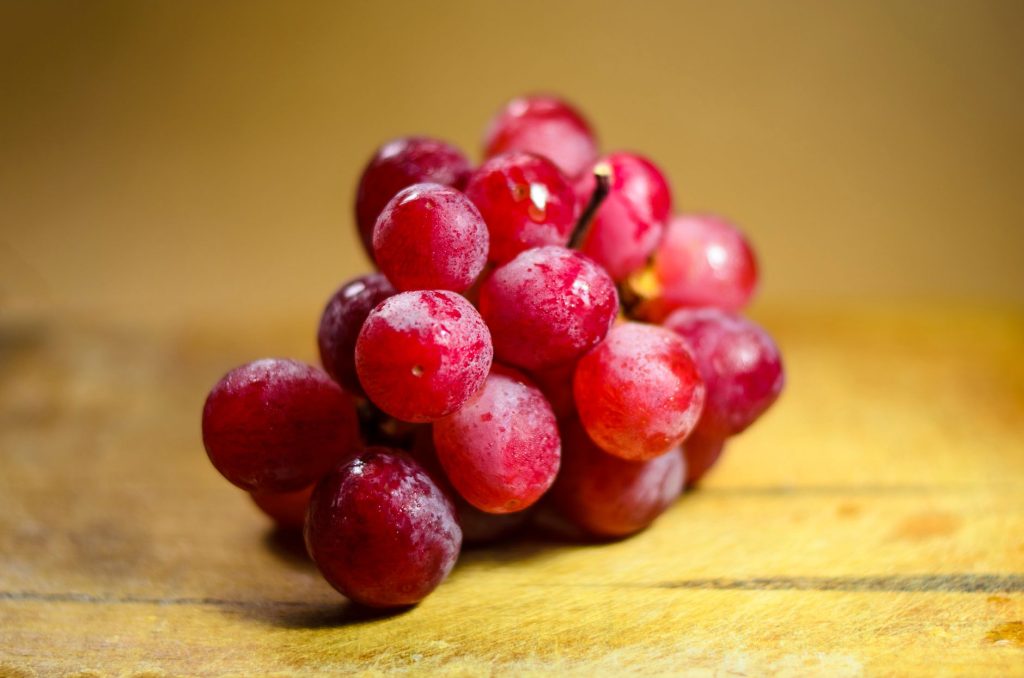
Grapes are enticing little fruits, bursting with juicy sweetness and a crisp texture. Their vibrant colors and delightful taste can appeal to both rabbits and their owners. When considering whether to include grapes in a rabbit’s diet, it’s essential to recognize their nutritional profile.
- Fiber: Although grapes are low in fiber, they do contain some. Fiber is crucial for promoting proper digestion and gut motility. A diet rich in fiber ensures that food moves smoothly through the digestive tract, preventing issues like constipation.
- Vitamins & Minerals: Grapes are rich in vitamins C and K, playing vital roles in immune function and overall health. Vitamin C is an antioxidant that helps combat free radicals, while vitamin K supports blood health and bone density.
- Hydration & Antioxidants: With a high water content, grapes help keep rabbits hydrated. Additionally, the antioxidants found in grapes support cellular health and protect against oxidative stress, benefiting longevity.
When incorporating grapes into your rabbit’s diet, it’s essential to ensure that hay and leafy greens remain the foundation of their nutrition. Offering small amounts of grapes alongside fiber-rich foods will contribute to a balanced diet.
Why Do Rabbits Like Foods Like Grapes?
Rabbits are natural foragers, driven by instincts to seek out a variety of foods in their environment. The sweet flavor and juicy texture of grapes make them particularly appealing to rabbits, who often gravitate toward foods high in sugars. This taste preference aligns with their instinct to find energy-rich sources in the wild.
However, it’s crucial to remember that just because a rabbit enjoys a food, it doesn’t mean they should consume it in abundance. Rabbits require a diet that prioritizes their nutritional needs over their preferences. While grapes may be a tasty treat, they should be offered sparingly to avoid health issues associated with high sugar intake.
As a rabbit owner, balancing your pet’s preferences with their nutritional requirements is essential. This means providing treats like grapes in moderation while ensuring the primary diet consists of hay, which supports healthy digestion and gut function.
Risks & Precautions
While feeding grapes to rabbits may seem harmless, there are potential downsides that owners should be aware of. Understanding the risks associated with grapes is crucial for maintaining your rabbit’s health.
- High Sugar Content: Grapes contain a high sugar level, which can lead to weight gain and gut imbalance if fed regularly. Long-term overconsumption of sugary foods may contribute to obesity and related health complications.
- Digestive Sensitivity: Introducing grapes too suddenly can upset a rabbit’s delicate digestive system, resulting in soft stools or diarrhea. It’s crucial to monitor changes in their stool after introducing new foods.
- Dental Concerns: Treats like grapes should never replace hay in a rabbit’s diet. Hay provides the necessary fiber that keeps rabbits’ teeth healthy and prevents dental issues from developing.
- Portion Control: Even for safe foods like grapes, moderation is essential. Feeding too many grapes can lead to digestive disturbances, as their high sugar content can disrupt the balance of gut bacteria.
If your rabbit shows loose stool or loss of appetite after eating grapes, stop immediately.
What Happens If a Rabbit Eats Too Much Grapes?
If a rabbit consumes an excessive amount of grapes, the effects can be detrimental to their digestive health. Initially, you may notice changes in their stool, such as softer droppings or an increased frequency of droppings. This occurs because the high sugar content in grapes can disrupt the balance of gut bacteria, which is essential for proper digestion.
An increase in sugar may also lead to changes in appetite and behavior. Your rabbit might seem lethargic or less active than usual, as their body struggles to process the excess sugars. If left unaddressed, these symptoms can escalate to more severe digestive issues, potentially requiring veterinary intervention.
To prevent such situations, it’s best to offer grapes sparingly and observe how your rabbit reacts. If any signs of discomfort arise, such as changes in stool or a decrease in activity level, consider consulting a veterinarian for advice.
Can Baby Rabbits Eat Grapes?
Baby rabbits, particularly those under 12 weeks old, have delicate digestive systems that are still developing. Since their gut flora is not yet established, introducing treats like grapes can pose significant risks. Most veterinarians recommend avoiding high-sugar treats for young rabbits until they are older and their digestive systems are more robust.
Grapes may be introduced slowly after the rabbit reaches maturity, but only in very limited quantities. Adult rabbits tend to tolerate sugary foods better than their younger counterparts. Remember that transitioning to new foods should be done gradually to prevent digestive upset.
Most veterinarians agree that treats should never replace hay and leafy greens in a rabbit’s daily diet. Providing a solid foundation of fiber-rich foods is critical for the health of baby rabbits.
How Much Grapes Can Rabbits Eat?
Recommended Portion Size
When considering how many grapes to offer, it’s important to tailor portion sizes based on the size of your rabbit. For smaller rabbits, a serving of 1/2 a grape or a small cube is adequate, while larger rabbits may handle 1-2 grapes per serving. This should be a rare treat, ideally limited to once a week.
Understanding rabbit digestion is vital in determining portion size. Rabbits require a diet primarily composed of high-fiber hay to maintain healthy gut function. Offering treats in small portions prevents overwhelming their digestive system, allowing the gut bacteria to thrive without disruption.
If portions are too large, the imbalance of sugar to fiber can lead to digestive upset, such as gas or diarrhea. Always introduce new foods gradually and monitor your rabbit’s reaction to avoid complications.
How Grapes Fit Into a Balanced Rabbit Diet
An effective rabbit diet should consist of 80-90% hay, supplemented with leafy greens and occasional treats. Grapes can fit into this framework as an infrequent treat, but they should never replace the essential fiber that hay provides. Hay is the cornerstone of rabbit digestion, serving to maintain healthy gut function and prevent dental issues.
Compared to leafy greens, which offer essential vitamins and minerals, grapes are more of a sugary snack. Treats should only constitute a small portion of a rabbit’s overall diet. For instance, if your rabbit has a serving of hay and a couple of leafy greens daily, adding a handful of grapes every couple of weeks is an appropriate balance.
A practical example of a balanced feeding bowl could include a generous portion of hay, a mix of leafy greens, and an occasional grape as a treat. This ensures that your rabbit receives a well-rounded diet that supports their health.
Frequency & Feeding Schedule
When it comes to how often grapes should be offered, moderation is key. Grapes should only be served as an occasional treat, ideally once or twice a week, to avoid digestive upset. Feeding too often can lead to an excess of sugar in the diet, which can upset the balance of gut bacteria critical for digestion.
Overfeeding sugary fruits can also lead to weight gain and associated health risks. To protect gut health, it’s essential to space out treat feedings. This allows the digestive system to process nutrients effectively without being overwhelmed.
A little taste goes a long way with sweet foods like grapes, so it’s best to reserve them for special occasions rather than daily feeding.
How to Serve Grapes to Rabbits
Fresh vs Cooked
The safest way to serve grapes to rabbits is in their fresh form. Fresh grapes retain their nutrients and hydration benefits, making them a better choice than cooked varieties. When preparing to offer grapes, be sure to wash them thoroughly to eliminate any dirt or pesticides. Can rabbits eat grapes safely? Yes, but proper preparation is essential.
Step-by-Step Serving Guide
- Wash thoroughly to remove dirt or chemicals, ensuring a clean snack for your rabbit.
- Cut into small, rabbit-safe pieces, making it easier for your pet to eat and digest.
- Introduce slowly and observe stool changes, monitoring how your rabbit reacts to the new treat.
Taking the time to prepare grapes properly and observing how your rabbit responds can help you determine the best course of action for their health.
Signs Your Rabbit Likes or Dislikes Grapes
When introducing grapes to your rabbit, you’ll likely notice signs of appreciation. A curious rabbit may sniff the grapes, approach them with interest, and even nibble gently. If your rabbit enjoys the treat, you will typically see normal droppings, indicating that their digestive system is handling the treat well.
Conversely, if your rabbit refuses to eat the grapes or shows signs of discomfort-such as soft stools, a bloated posture, or lethargy-these may indicate that grapes are upsetting their digestive system. Rabbits can be adept at hiding illness, so even subtle changes in behavior are worth noting.
To monitor your rabbit’s reaction effectively, keep an eye on their droppings, appetite, and activity levels over a 24-hour period. Introducing only one new food at a time can help you determine how different items affect your rabbit’s health.
When to Talk to a Vet About Diet Changes
Specific medical conditions necessitate veterinary guidance before making significant diet changes. If your rabbit is obese, diabetic, has a history of gut stasis, or suffers from dental disease, any new food, including grapes, could pose risks. Consulting a vet can help prevent potential complications.
A sudden diet change can disrupt a rabbit’s gut bacteria, leading to digestive slowdown or stasis. Maintaining a consistent intake of fiber-rich foods is vital for keeping their digestive system functioning correctly. Sudden changes can lead to complications that may require medical attention.
It’s essential to reassure yourself that asking a vet about major diet changes is part of responsible pet ownership. By being proactive, you can help keep your rabbit healthy and happy.
Healthy Alternatives to Grapes
- Carrots: Crunchy and sweet, carrots provide vitamins while also offering a satisfying texture.
- Bell Peppers: Rich in vitamin C, these crunchy treats help with hydration and are lower in sugar than fruits.
- Raspberry Leaves: A great source of fiber and essential nutrients, they can be a delightful treat.
- Spinach: Packed with vitamins, spinach adds variety and hydration to your rabbit’s diet.
Providing a variety of healthy alternatives ensures that your rabbit’s diet remains interesting and nutritious. Remember, while rabbits can eat grapes alongside other treats in moderation, focusing on a diverse selection of healthy options supports their overall well-being.
Common Mistakes to Avoid
- Overfeeding Treats: Many owners may be tempted to give more treats than recommended, leading to obesity and digestive upset. It’s easy to forget that treats should be limited for health.
- Ignoring Digestive Changes: Some owners may overlook signs of discomfort after feeding new foods. Monitoring stool and behavior is crucial for identifying potential digestive issues.
- Relying on Treats: Treats like grapes should never replace the essential fiber of hay and greens. Focusing too much on treats can lead to nutritional imbalances in your rabbit’s diet.
Remember, maintaining moderation is essential in ensuring your rabbit remains healthy and happy.
FAQs
Can rabbits eat grapes daily?
Rabbits should not eat grapes daily due to their high sugar content. Offering grapes once or twice a week is safer to prevent digestive upset and maintain a balanced diet. Monitor your rabbit’s reaction to new foods carefully.
Can baby rabbits eat grapes?
Baby rabbits should avoid grapes until they are at least 12 weeks old. Their digestive systems are sensitive, and introducing sugary foods too early can lead to serious digestive issues. Focus on hay and leafy greens for their nutrition.
How do I prepare grapes for my rabbit?
To prepare grapes for your rabbit, wash them thoroughly to remove any dirt or chemicals. Cut them into small, manageable pieces to prevent choking and ease digestion. Introduce them gradually while monitoring your rabbit’s response.
What are the digestive impacts of feeding grapes?
Feeding grapes can lead to digestive issues if given in excess. High sugar content may disrupt gut bacteria balance, causing loose stools or diarrhea. Always monitor your rabbit’s reaction to new foods to ensure their health.
What are some alternatives to grapes for rabbits?
Healthy alternatives to grapes include carrots, bell peppers, and leafy greens like spinach. These options provide essential nutrients without the high sugar content found in grapes, supporting your rabbit’s overall health and well-being.
Conclusion
In summary, the question “Can rabbits eat grapes?” has a positive answer when approached with caution. Grapes can be a safe treat for rabbits if offered in moderation and not at the expense of their primary diet. The key is to remember that rabbits thrive on high-fiber foods such as hay and leafy greens, which support their delicate digestive system.
Maintaining proper portion sizes is crucial. Even safe foods can disturb your rabbit’s digestion if overfed, leading to health issues. Observe your rabbit’s stool and behavior after introducing grapes to ensure they tolerate this sweet treat well.
By gradually introducing grapes and monitoring your rabbit’s reactions, you can provide them with a varied diet that keeps them healthy and happy. Remember that building a balanced diet centered around hay and leafy greens, with occasional treats like grapes, will lay the foundation for a long and joyful life.
✅ Quick Answer: Rabbits can eat grapes in moderation as an occasional treat alongside hay and leafy greens.