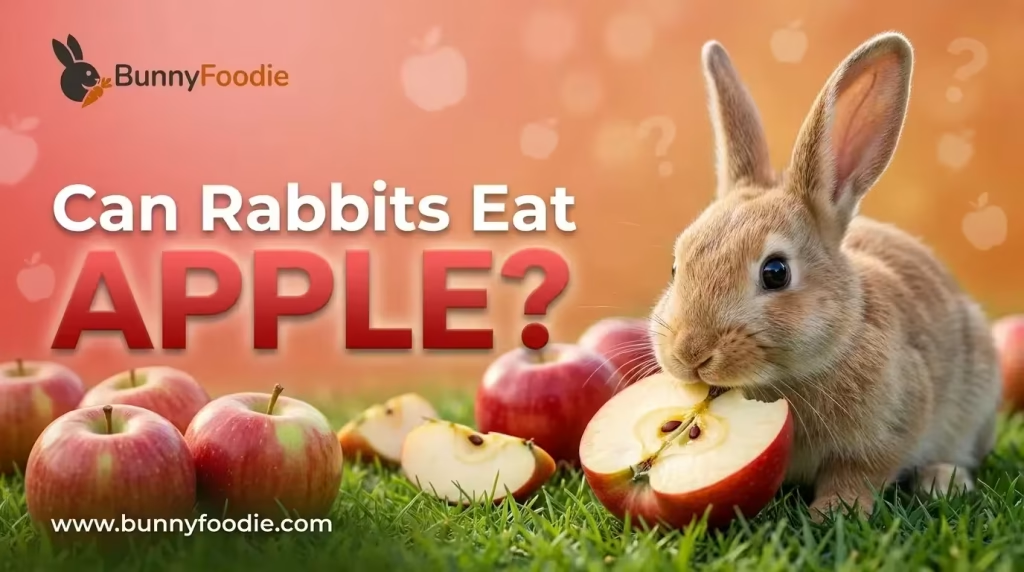

At first glance, apple might seem harmless, leaving many rabbit owners to wonder, “Can rabbits eat apple without compromising their health?” This question commonly arises due to the delicate nature of rabbit digestion. It’s essential to recognize that rabbits have highly sensitive digestive systems that can be easily upset by unfamiliar foods or excessive sugar intake. Understanding how various components of the rabbit diet affect their gut bacteria and fiber balance is crucial for maintaining their overall health.
Balanced nutrition for rabbits revolves around fiber-rich foods, primarily hay, which supports digestive stability. When introducing treats like apples, portion control becomes vital. Apples contain higher sugar levels than a rabbit’s body is accustomed to processing, possibly leading to digestive disruptions if not managed properly. Striking the right balance involves not only monitoring portion sizes but also ensuring that the majority of your rabbit’s diet consists of nutrient-rich hay and leafy greens. This approach helps to prevent issues like obesity and gut imbalance.
In this article, we’ll delve into how apple can fit safely into your rabbit’s diet, explain the potential benefits and risks, and provide guidance on portions and frequency. You’ll also learn about behavioral signs to watch for and when to consult a vet regarding dietary changes.
| Aspect | Details |
|---|---|
| Safe? | ✅ Yes, in moderation |
| Ideal Serving | 1-2 small pieces per week |
| Avoid When | Digestive sensitivity, obesity, diabetes |
| Alternatives | Leafy greens, herbs, low-sugar fruits |
Can Rabbits Eat Apple Safely?
Apples can be a safe food choice for rabbits when offered in moderation and with the right care. The fruit contains natural sugars, which, while tasty, can upset a rabbit’s digestive system if consumed in large quantities. Rabbits have a distinct need for fiber to aid in digestion, and an overabundance of sugar from apples can disrupt their gut bacteria and lead to gastrointestinal issues.
Additionally, while the juicy and fibrous nature of apples can be enticing to rabbits, certain parts of the apple, such as seeds and stems, should be avoided. They contain compounds that could be harmful even in small amounts. Therefore, when feeding apple to rabbits, it’s crucial to ensure that only the flesh is given, and in small, controllable portions.
Ultimately, while apples can be a delightful treat for your rabbit, the key is to provide this fruit sparingly. So yes, apple can be safe for rabbits when served carefully and in moderation.
Nutritional Benefits of Apple for Rabbits
The fresh, juicy, and crisp nature of apples makes them a tempting treat for rabbits. Besides their delightful texture, apples contain valuable nutrients that can support your rabbit’s health in several ways.
- Fiber: Apples contain fiber, which is crucial for a rabbit’s digestion, aiding in smooth gut movement and maintaining a healthy intestinal tract. The fiber in apples can complement the primary fiber source in their diet, which should always be hay.
- Vitamins & Minerals: Apples provide vitamins like A and C, along with essential minerals that support a rabbit’s immune system and overall health. These nutrients contribute to maintaining healthy skin, coat, and bodily functions.
- Hydration or Antioxidants: With their water content, apples can help keep rabbits hydrated, while antioxidants in the fruit support their immune health. Hydration is vital, especially during warmer months, as it helps regulate body temperature and energy levels.
To maximize these benefits, always offer apples in conjunction with a diet rich in hay and leafy greens.
Why Do Rabbits Like Foods Like Apple?
Rabbits, by nature, are foragers with a keen instinct for tasting various foods. Apples offer a sweet flavor that can be irresistible to them, appealing to their natural taste preferences. However, it’s essential to remember that a rabbit’s love for sweet treats doesn’t equate to nutritional necessity.
While they might eagerly nibble on apples, it’s important for owners to understand that preference does not mean unlimited consumption is safe. Rabbits require a balanced diet to thrive, with the bulk coming from fiber-rich sources rather than sugary fruits.
As a behavioral tip, offer apples as an occasional treat to engage your rabbit but in controlled amounts to prevent overeating and ensure a healthy dietary balance.
Risks & Precautions
While feeding apple to rabbits can be enjoyable, there are potential risks that owners should be aware of to ensure their pet’s safety.
- High Sugar or Starch: Apples contain sugars that can lead to weight gain and gut imbalance if consumed in excess. Unlike apple for rabbits, their diet should primarily consist of low-sugar foods.
- Digestive Sensitivity: Rabbits have delicate digestive systems, and introducing apples too suddenly can result in soft stools or diarrhea. Gradual introduction helps to prevent such issues.
- Dental Concerns: While apples can be crunchy, they should not replace hay, which is crucial for wearing down a rabbit’s constantly growing teeth.
- Portion Control: Even safe foods require moderation. This ensures that a rabbit’s diet remains balanced and doesn’t disrupt their nutritional needs.
If your rabbit shows loose stool or loss of appetite after eating apple, stop immediately.
What Happens If a Rabbit Eats Too Much Apple?
Excessive apple consumption can lead to digestive upset in rabbits. Their sensitive gastrointestinal systems can become overwhelmed by too much sugar, leading to changes in stool consistency, such as softer droppings or diarrhea. This indicates that their gut bacteria balance has been disrupted.
Moreover, rabbits may exhibit reduced appetite or unusual behavior, such as lethargy, which can be further signs of a digestive issue. If these symptoms persist, it could necessitate a visit to the veterinarian to prevent more severe health complications.
To avoid such issues, always adhere to recommended serving sizes and monitor your rabbit’s reactions closely when introducing any new food.
Can Baby Rabbits Eat Apple?
Baby rabbits, particularly those under 12 weeks, have delicate digestive systems that are especially sensitive to changes. Most veterinarians agree that treats should never replace hay and leafy greens in a rabbit’s daily diet. Therefore, apples should not be introduced to baby rabbits until they are older and their digestive systems have matured.
While adult rabbits may tolerate small apple portions, young rabbits are more prone to digestive disturbances from sugary or unfamiliar foods. It’s advisable to wait until they are at least 12 weeks old before considering apple as an occasional treat.
Always prioritize their primary diet of hay and leafy greens to support their growth and digestive health.
How Much Apple Can Rabbits Eat?
Recommended Portion Size
When feeding apple to rabbits, the recommended portion size is quite small. For small rabbits, a teaspoon-sized piece once or twice a week suffices. Larger rabbits might handle up to a tablespoon-sized piece. Given the fiber-dependent nature of rabbit digestion, smaller portions help maintain gut bacteria stability.
Feeding larger amounts can overwhelm their delicate systems, leading to digestive upset. Always observe your rabbit’s behavior and droppings after feeding apple to ensure it’s being well-tolerated.
How Apple Fits Into a Balanced Rabbit Diet
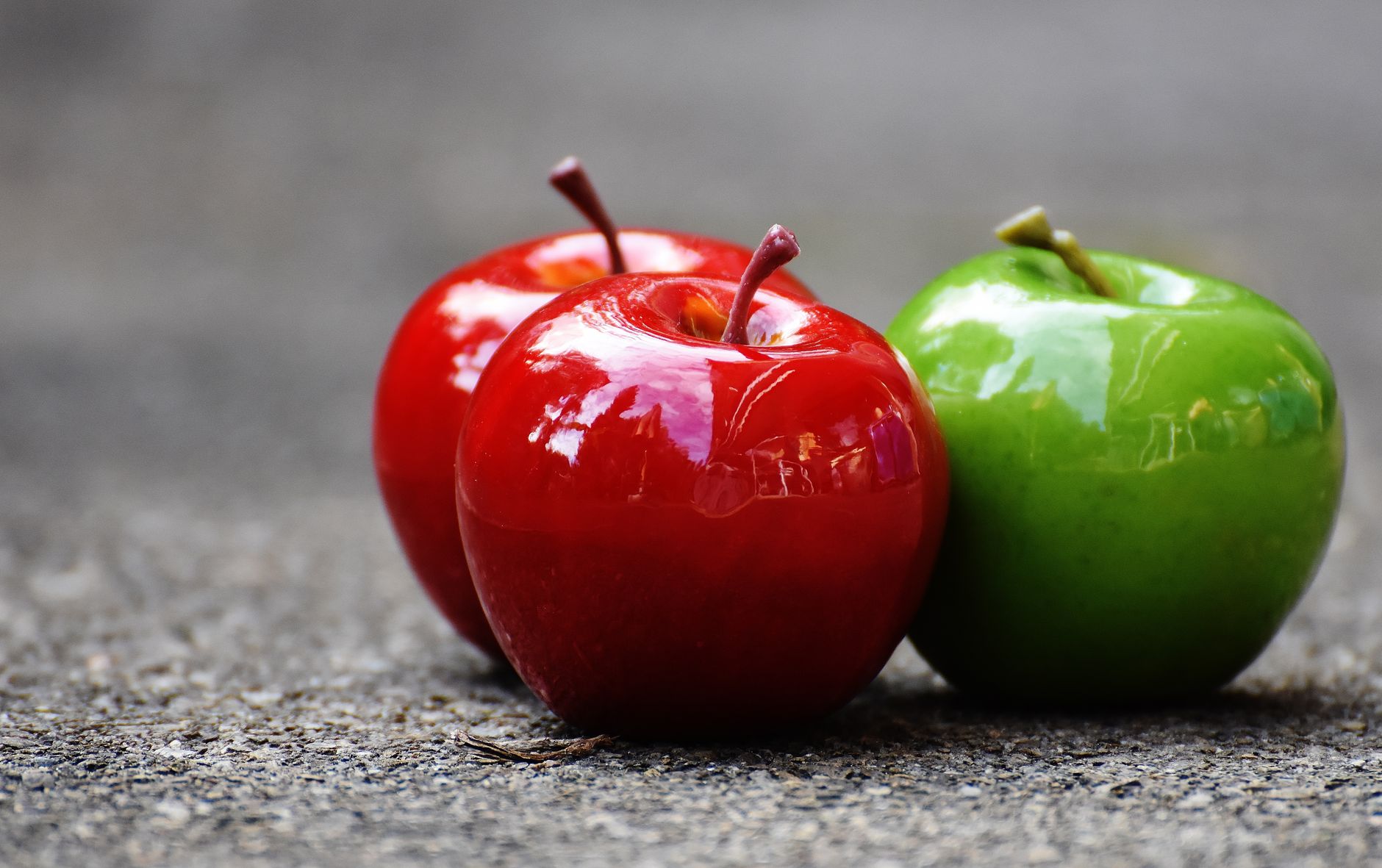
The foundation of a rabbit’s diet is hay, which should make up 80-90% of their food intake. Hay supports their digestive needs due to its high fiber content. Apples, on the other hand, are more of a treat, fitting into the remaining 10-20% of their diet.
Compared to leafy greens, which provide essential nutrients without excessive sugar, apples should be given sparingly. A balanced feeding bowl might include a variety of greens and a small piece of apple as an occasional treat.
Such a balance ensures that your rabbit receives necessary nutrients without compromising the stability of their gut bacteria.
Frequency & Feeding Schedule
Rabbits should only be offered apple once or twice a week to prevent digestive disturbances. Overfeeding can disrupt the natural balance of gut bacteria, leading to issues like soft stools or gas. By spacing out apple treats, you support your rabbit’s gut health and maintain their stable digestion.
A little taste goes a long way with sweet foods like apple.
How to Serve Apple to Rabbits
Fresh vs Cooked
Fresh apple is the safest form to offer your rabbit. Always wash the apple thoroughly to remove pesticides or dirt, and cut it into small pieces. Avoid cooked apples, as additional processes can alter the nutritional content. Can rabbits eat apple safely? Yes, when served fresh and in moderation.
Step-by-Step Serving Guide
- Wash thoroughly to remove dirt or chemicals. Clean apples ensure that no harmful residues are consumed.
- Cut into small, rabbit-safe pieces to prevent choking and ease digestion.
- Introduce slowly and observe stool changes to ensure tolerance and prevent any digestive issues.
Always monitor your rabbit after introducing a new treat, and introduce one new food at a time to track their responses accurately.
Signs Your Rabbit Likes or Dislikes Apple
Positive reactions to apple can include curiosity, sniffing, and eager nibbling. Rabbits that tolerate apple well will also maintain normal droppings and appetite, indicating that their gut bacteria aren’t negatively affected by the snack.
Conversely, refusal to eat, soft stools, or changes in posture like bloating may signal digestive stress. Rabbits often hide illness, so these subtle behaviors are important indicators of how they’re affected by the treat.
Monitor your rabbit over the next 24 hours after introducing apple. Check droppings, appetite, and activity levels. Introducing only one new food at a time can help you identify the cause of any adverse reactions.
When to Talk to a Vet About Diet Changes
If your rabbit has pre-existing conditions such as obesity, diabetes, gut stasis history, or dental disease, consult a veterinarian before introducing new foods. These conditions require careful management to avoid exacerbating health issues.
Sudden dietary changes can upset a rabbit’s gut bacteria, leading to digestive slowdowns. Rabbits rely on a consistent fiber intake to maintain digestive health, making gradual introduction of new foods essential.
Proactive vet consultations are a vital part of responsible rabbit care. They ensure that dietary adjustments support your rabbit’s health rather than cause unnecessary stress or complications.
Healthy Alternatives to Apple
- Leafy Greens: Rich in fiber and vitamins, they support digestion and overall health.
- Herbs: Provide a flavorful, low-sugar snack that can enhance a rabbit’s diet.
- Carrots: Crunchy and vitamin-rich, but should be given in moderation due to sugar content.
- Radishes: Offer hydration and a different texture for variety.
Diverse treats ensure your rabbit enjoys a balanced diet. This variety helps ensure that rabbits can eat apple along with other treats in moderation without risking digestive issues.
Common Mistakes to Avoid
- Overfeeding Treats: Rabbits are prone to obesity when sugary foods are overprovided. This can disrupt their health by diluting the core fiber needs of their diet.
- Ineffective Portion Control: Failing to monitor treat sizes can lead to diabetes and digestive issues due to sugar overload.
- Ignoring Digestive Signs: Not observing changes in droppings can lead to overlooking serious health problems, as rabbits hide illness well.
- Skipping Vet Consults: Neglecting professional guidance during diet changes can result in long-term health issues for rabbits with pre-existing conditions.
FAQs
Can rabbits eat apple daily?
No, rabbits should not eat apple daily. It is too high in sugar, which can disrupt their gut bacteria balance and lead to digestive issues. Limit apple treats to once or twice a week and monitor their health closely.
Is apple safe for baby rabbits?
Apples are not recommended for baby rabbits under 12 weeks. Their digestive systems are delicate and prone to upset from sugary foods. Focus on hay and leafy greens until their digestion matures, around 12 weeks of age.
How should I prepare apple for my rabbit?
Wash the apple thoroughly, remove seeds and core, and cut into small pieces. This prevents choking and ensures safe consumption. Fresh apple is preferable to preserve its fiber content, which aids in digestion.
Can too much apple harm my rabbit’s digestion?
Yes, excess apple can harm digestion by disrupting gut bacteria balance, causing soft stools or diarrhea. Monitor your rabbit’s response to new foods and consult a vet if negative symptoms persist or worsen over time.
What are healthy alternatives to apple for rabbits?
Alternatives include leafy greens, herbs, and low-sugar fruits like strawberries. These options offer varied nutrients without excessive sugar, supporting digestive health and dietary balance while adding exciting flavors to their meals.
Conclusion
Overall, can rabbits eat apple? Yes, when served in moderation, this fruit can be a safe and delightful treat for rabbits. However, their sensitive digestive systems require careful management of sugar intake to maintain balance and prevent disruptions.
By adhering to recommended portion sizes and feeding frequency, you can help prevent any potential digestive disturbances. Regular monitoring of your rabbit’s reactions to apples, such as changes in stool or appetite, is a practical way to ensure their health is not compromised.
Remember, gradual introduction and keen observation are key strategies when adding new foods to your rabbit’s diet. This approach ensures a smooth transition and helps maintain their overall health and well-being.
✅ Quick Answer: Rabbits can eat apple in moderation as an occasional treat alongside hay and leafy greens.